DoorDash (DASH) Financial Forecast Calculator
Interactive 5-year forecast and DCF for DoorDash. Adjust revenue growth, gross margin, capex intensity, WACC, and terminal growth - see revenue, free cash flow, and enterprise value update in real time. Seeded from DoorDash’s most recent SEC filings.
Assumptions
Need this as an Excel model?
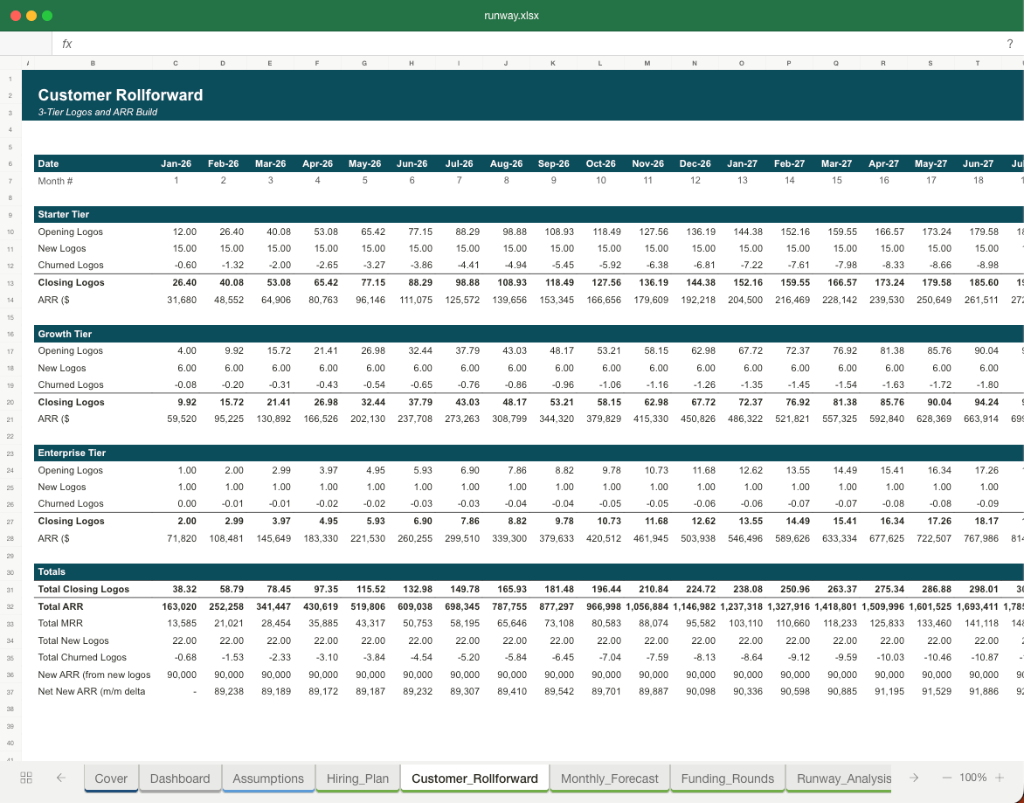
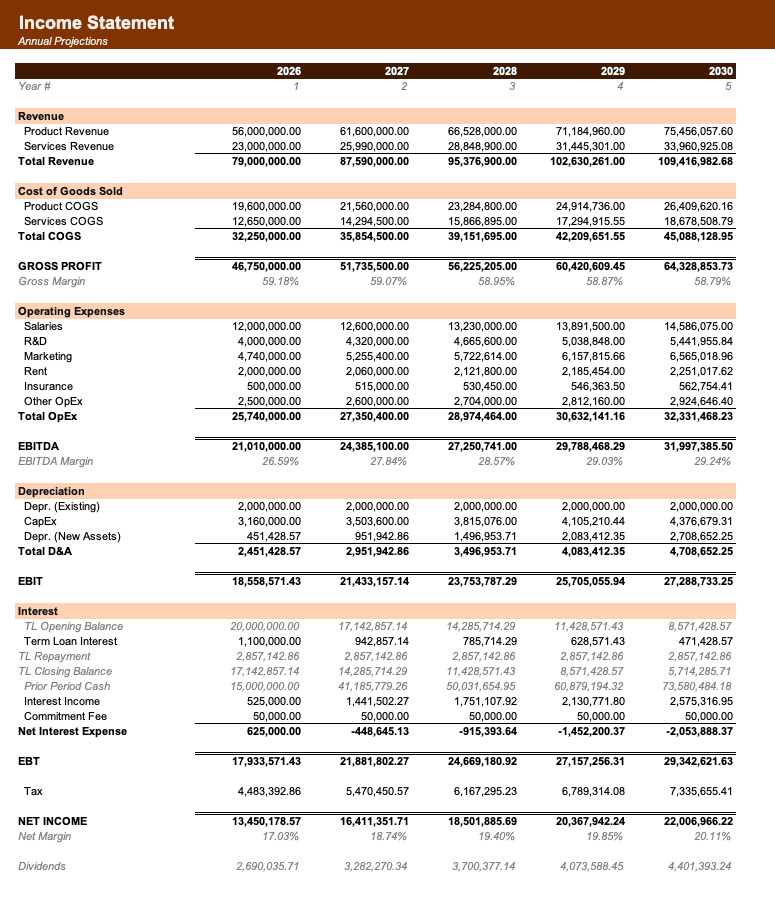
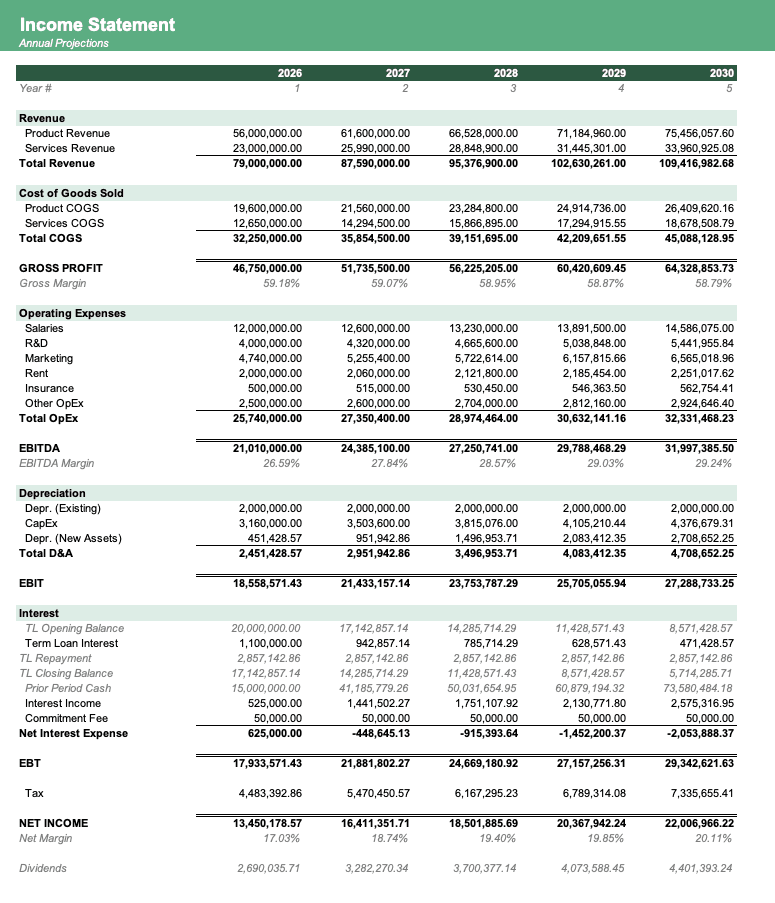
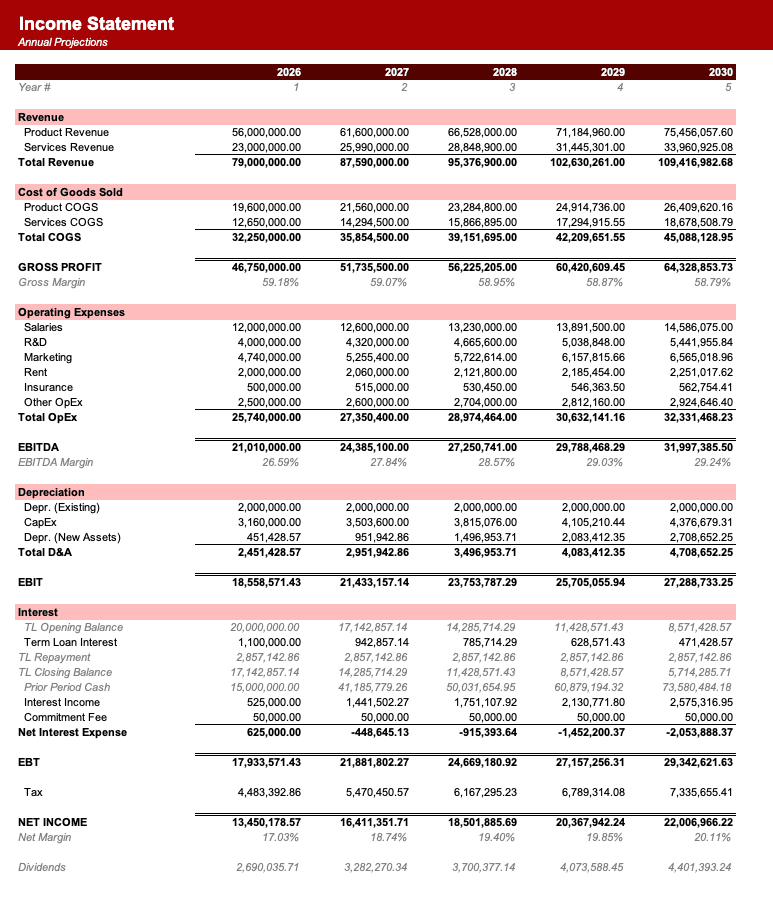
Keep iterating on the DoorDash forecast in Excel. The downloadable sample has every assumption you see here plus a fully integrated income statement, balance sheet, cash flow, and debt schedule - five years of SEC historicals and live formulas in a fully editable workbook.
Other Consumer forecasts
Run the same calculator on a peer.








Frequently asked
What is DoorDash's core business model?+
DoorDash operates a local commerce platform that connects consumers with merchants and independent contractors (Dashers). Its asset-light, transaction-based model generates revenue primarily through merchant commissions and consumer fees for the delivery of various goods.
How does DoorDash generate its revenue?+
DoorDash's consolidated revenue is driven by Marketplace Gross Order Value (GOV), which is calculated from total orders and average order value. Revenue is then derived by applying a net revenue margin to the Marketplace GOV, consisting of merchant commissions and consumer fees.
What is DoorDash's capital expenditure strategy?+
DoorDash maintains a very light capital expenditure profile, with Capex_Pct_Revenue assumed at 0.03844713545270722 in the financial model. This capex is almost entirely growth-oriented, focusing on capitalized software development and building out new DashMart micro-fulfillment centers.
What are the key assumptions in DoorDash's financial forecast?+
Key assumptions in DoorDash's financial model include a Revenue_Growth of 0.2 (20%) and COGS_Pct_Revenue at approximately 52.4%. The model also assumes RD_Pct_Revenue at 11.24% and SGA_Pct_Revenue at 19%, which are critical for projecting future profitability.
Why is DoorDash's net working capital structurally negative?+
DoorDash's net working capital is structurally negative because it collects cash from consumers immediately via credit card payments. This cash is held for a period before being remitted to merchants and Dashers, providing a float that effectively funds operations.
Can I download an Excel financial model for DoorDash?+
Yes, a downloadable Excel financial model is available for DoorDash, projecting future cash flows and profitability through FY2030. This model helps equity research analysts assess the company's valuation and determine investment recommendations.
Have more financial modelling questions? Contact us